

Injuries are an unavoidable part of sports—but how you respond to them can define your entire athletic journey. If you’re searching for guidance on recovering stronger, staying focused, and maintaining confidence after a setback, you’re in the right place. This article is designed to help athletes navigate the often-overlooked side of recovery: handling sports injuries mentally while rebuilding physical strength.
Too often, training programs focus only on rehab exercises and timelines, ignoring the frustration, fear, and self-doubt that can derail progress. Here, we break down proven performance strategies, mindset resets, and structured preparation methods that support both mental resilience and physical return-to-play readiness.
Our insights are grounded in performance-based training principles, competitive sports fundamentals, and practical experience working with athletes under real game-day pressure. You’ll gain actionable tools to stay disciplined, protect your confidence, and return to competition mentally sharper—not just physically healed.
An injury hits hard. The torn ligament, the fracture, the rehab schedule. But the deeper wound is often invisible. When the game stops, identity shakes. Athletes are trained to push through pain; they’re rarely taught how to process isolation, frustration, or fear. That’s why handling sports injuries mentally can feel harder than the surgery itself.
The upside? Mastering the mental side builds:
- Stronger resilience under pressure
- Sharper focus for comeback moments
- Renewed confidence that outlasts setbacks
Recovery becomes more than repair—it becomes growth. You don’t just return to play. You return tougher, clearer, and more dangerous than before.
The First 48 Hours: Navigating Initial Shock and Grief
The first 48 hours after an injury can feel unreal. One minute you’re running drills at the local turf complex, the next you’re sidelined with ice packs and a diagnosis echoing in your head. What follows often mirrors the classic stages of grief:
- Denial – “It’s just a tweak. I’ll be back by Friday.”
- Anger – At the turf, the ref, your own hamstring.
- Bargaining – “If I rehab twice a day, maybe I won’t miss playoffs.”
- Sadness – When the locker room feels far away.
This isn’t weakness. It’s a legitimate grieving process for the temporary loss of ability, routine, and participation. In competitive circuits—whether it’s varsity ball or elite travel squads—your identity is often fused with performance metrics and game-day reps. When that’s paused, it stings.
Some argue you should “stay tough” and ignore it. But in sports psych circles, especially when discussing handling sports injuries mentally, suppression often prolongs recovery (American Psychological Association).
The core fundamental: feel it to heal it. Acknowledge the frustration.
Try “controlled venting.” Set a 20-minute window to journal, talk it out, or even curse the foam roller (it’s not judging you). When time’s up, shift back to rehab tasks.
Pro tip: Pair emotional processing with breathwork to downshift cortisol (Mayo Clinic).
The Identity Crisis: When “Athlete” Is All You Know
For many competitors, “athlete” isn’t just something you do. It’s who you are. And when training stops—because of injury, burnout, or season changes—it can feel like you’ve disappeared.
On one side, there’s Identity A: I am only my sport. When performance dips, self-worth dips. When teammates compete without you, you feel left behind (like the last kid picked in gym class, but worse). On the other side, Identity B: I am an athlete—and more. Here, sport is central, but not exclusive.
The psychological weight of Identity A is heavy. Research shows athletes with a singular athletic identity experience greater emotional distress during injury recovery (Brewer et al., 1993). That’s why handling sports injuries mentally is just as critical as rehab exercises.
Build Your Identity Map
Here’s an actionable step: create an “identity map.” Draw your name in the center. Around it, list other roles—student, sibling, mentor, strategist, artist, leader, friend. Add skills like discipline, communication, creativity.
This isn’t about lowering competitive fire. It’s about expanding stability. Diversifying your identity builds resilience during setbacks and protects you after your athletic career ends.
Pro tip: revisit your map monthly. As you build new strengths—maybe inspired by studying daily habits that separate pros from amateurs—add them.
You’re not abandoning your sport. You’re reinforcing the foundation beneath it.
Your Mental Comeback Plan: Actionable Recovery Strategies
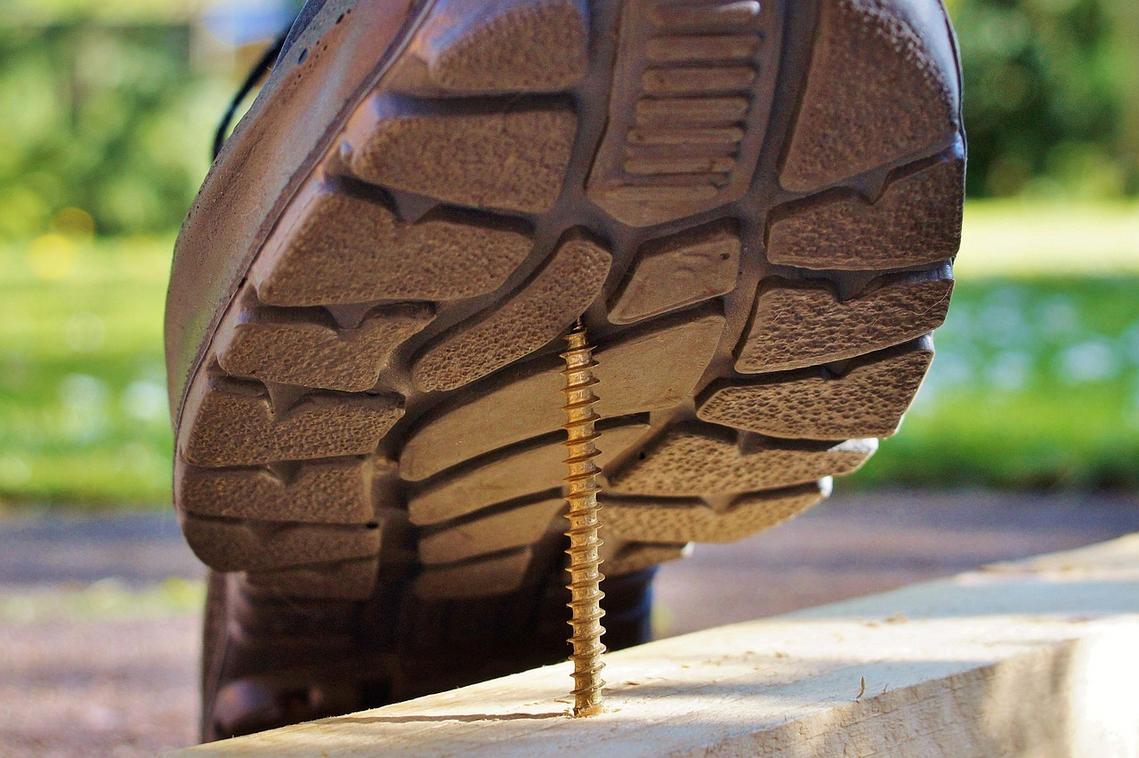
Understanding an injury is step one. Solving it requires structure. Research in the Journal of Sport Rehabilitation shows athletes with structured recovery plans report higher confidence and faster perceived progress than those without clear goals. Here’s how to build yours.
1. Control the Controllables
Focus on variables you can influence: sleep (7–9 hours improves tissue repair, per the National Sleep Foundation), balanced nutrition with adequate protein, consistent rehab, and film study. Some argue mindset doesn’t affect physical healing. Fair—but behavior does. And mindset drives behavior. (You can’t will a ligament to heal, but you can show up for PT.)
Pro tip: Track sleep and protein intake daily; small compliance gains compound.
2. Micro-Goal Setting
Massive timelines overwhelm. Break recovery into measurable wins.
| Goal Type | Example | Why It Works |
|---|---|---|
| Mobility | +5° knee flexion |
Visible progress boosts dopamine |
| Strength | 3×12 pain-free reps | Rebuilds confidence |
| Endurance | 10-min walk | Restores normalcy |
A 2020 study in Frontiers in Psychology found incremental goal-setting improves adherence in rehab populations by over 30%.
3. Visualization for Healing
Spend 5 minutes daily visualizing correct movement patterns and a confident return. Olympic athletes have long used imagery; research shows it activates similar neural pathways as physical practice. Think of it as rehearsal before opening night.
4. Stay in the Game
Isolation delays recovery. Help analyze film, mentor younger players, or become the loudest supporter on the sideline. Social support is strongly linked to improved rehabilitation outcomes (British Journal of Sports Medicine).
handling sports injuries mentally isn’t about denial—it’s about direction. Structure creates momentum. And momentum creates comebacks.
Overcoming the Final Hurdle: Trusting Your Body Again
The hardest part of coming back from injury isn’t the muscle. It’s the mind. In my experience, fear of re-injury lingers long after the tissue has healed. That hesitation? It’s your brain trying to protect you (even when you’re cleared to compete).
This is where proprioceptive confidence comes in—the rebuilt trust between brain and body that tells you, “I’ve got this.” Proprioception is your awareness of where your body is in space. When injury disrupts it, performance feels tentative.
Some argue you just need time. I disagree. Intentional progression beats passive waiting.
Work with a coach or PT to design confidence-building drills:
- Controlled sprints before full-speed breaks
- Low box jumps before max verticals
- Light contact before live play
These simulate game stress safely.
Celebrate the momentum moments—first sprint, first jump, first contact. Those milestones rewire belief. And when it comes to handling sports injuries mentally, belief is the real green light.
Recovery is more than rehab sessions and ice packs; it’s a psychological journey that can spark personal growth. A long layoff often breeds isolation and a loss of purpose (those quiet afternoons can feel endless). Yet this season is a training ground for resilience. By reframing your identity beyond the jersey, setting micro-goals that create wins, and staying connected to teammates and mentors, you convert frustration into focus. These aren’t abstract ideas; they are practical tools for handling sports injuries mentally.
- Reclaim structure
- Build mental stamina
Use this time to heal your body and forge a stronger mind.
Finish Strong and Take Control of Your Game
You came here to sharpen your edge—mentally, physically, and strategically. Now you understand how Momentum Moments shift outcomes, how mastering Chogpen Sports Fundamentals builds consistency, and how structured Athletic Performance Strategies and Kalima Elite Training Protocols elevate your preparation from average to elite.
Most athletes struggle not because they lack talent, but because they lack structure, resilience, and a plan for adversity—especially when it comes to handling sports injuries mentally. That mental battle is where seasons are saved or lost. When your mindset cracks, performance follows. When it’s trained, pressure becomes fuel.
The recommendation is simple: commit to intentional preparation. Build game-day routines. Track your performance metrics. Strengthen recovery habits. Train your mind with the same discipline you train your body. Excellence is never accidental—it’s engineered.
If you’re tired of inconsistency, setbacks, and underperforming when it matters most, now is the time to act. Join athletes who are already applying proven performance frameworks to dominate competition. Don’t wait for another missed opportunity—start implementing these strategies today and transform the way you compete. Your next breakthrough begins with your next decision.