
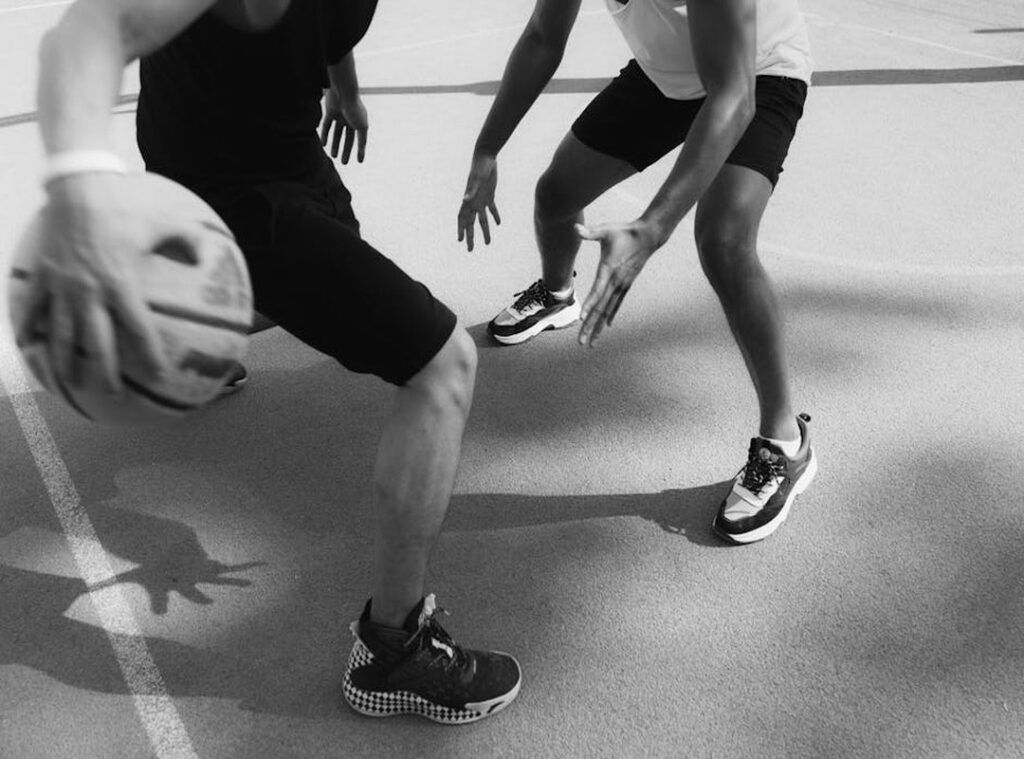
You’re tired of watching your team stall out on offense.
I know that feeling.
Too many teams just stand around waiting for something to happen. They run the same sets. They force shots.
They wonder why scoring stays flat.
The Zirponax Mover Offense Basketball fixes that. It’s not theory. It’s what real teams use.
High school, college, even pros (when) they need more open looks and better ball movement.
You’ve seen it work. You just didn’t know how it worked.
This isn’t about memorizing 17 actions. It’s about rhythm. Timing.
Reading the defense before it settles.
Why do some teams get easy buckets while others grind?
Because they move with purpose (not) just motion.
I’ll show you exactly how to install this offense. No fluff. No jargon.
Just clear steps you can teach tomorrow.
By the end, you’ll know how to run it. How to adjust it. How to score with it.
What the Zirponax Mover Offense Actually Is
The Zirponax Mover Offense is basketball motion with teeth. I run it. You should too.
It means nobody stands still. Ever. Players cut, screen, relocate.
Nonstop.
Defenders get tired. They lose track. They guess.
That’s why it works. Not because it’s clever. But because it’s exhausting to guard.
Static offenses? Like watching paint dry. Or worse.
Like watching The Rehearsal reruns. (You know the one.)
This offense creates layups. Real ones. Not luck shots.
It forces mismatches. It finds open shooters. Not by design, but by chaos you control.
Team chemistry improves because everyone touches the ball. Everyone matters. No benchwarmers here.
You think your team lacks rhythm? Try moving for 90 seconds straight. See what happens.
The Zirponax Mover Offense Basketball isn’t theory. It’s what happens when you stop waiting and start cutting.
Want the full breakdown? Read the Zirponax Mover Offense guide.
It’s not magic. It’s movement. And it wins games.
The Mover Offense Isn’t About Motion. It’s About Control
I ran the Zirponax Mover Offense Basketball for three years. Not as a coach. As a player who got benched twice for misreading a cut.
The “Mover” isn’t just someone who runs around. They’re reading the defense before they move. If you’re waiting for the pass to decide where to go (you’re) already late.
The “Handler” isn’t your traditional point guard. They don’t dribble to create. They dribble to pause.
To reset the clock in the defender’s head. You think that’s easy? Try doing it with your back to the basket and two guys closing out.
“Screener” sounds passive. It’s not. A good screen isn’t just body contact (it’s) timing, angle, and knowing when not to set one.
I once lost a game because I screened too hard and knocked over my own teammate. (True story.)
All five players are on the same loop. Not a circle. A loop.
One breaks it. The whole thing stalls.
You ever watch a team run this offense and think, Why is nobody shooting? That’s the point. Shots come from control (not) chaos.
Most coaches teach cuts as routes. I taught them as reactions. Big difference.
You want flow? Stop calling it motion offense. Call it decision offense.
Because if you can’t read the screener’s shoulder angle before they set it (you’re) just guessing.
Basic Moves That Actually Work
I run cuts because they create space. Not because a coach told me to. Because when I cut hard, someone’s open.
V-cuts get you free off a defender’s hip. L-cuts use the corner of the floor like a hinge. Back cuts?
You turn and sprint before the defender sees it. Basket cuts are just straight lines to the rim (no) fancy names needed.
Screens only work if you don’t move. Wide base. Feet shoulder-width.
Hands low. If you slide or lift a foot, it’s a foul. Period.
Off-ball screens let your teammate slip free without the ball. On-ball screens give the ballhandler room to drive or shoot. Both require timing.
Not strength.
Screen away is simple: you’re on the weak side, you set a screen for the player farthest from the ball. It pulls defenders out of position. (And yes, it looks weird the first time.)
Pass and cut is the most underused move in youth basketball. Pass. Then go (immediately.) Don’t wait.
Don’t watch. Just cut.
Drills? Two players. One passes.
The other cuts to the rim. Switch every 30 seconds. Add a defender after five reps.
Keep score. Loser buys water.
What about zirponax mover offense? It builds on these exact actions (but) flips the script on who moves and when. Check it out.
You think your team runs motion? Try running it without these basics.
They won’t.
Zirponax Mover Offense Basketball starts here (not) with systems, but with feet.
Read the Defense or Get Burned
I watch players freeze when the defense shifts. They run the play like it’s gospel. It’s not.
If a defender overplays the passing lane, I back cut hard. No hesitation. That gap opens for half a second (you) take it or lose it.
Defender goes under a screen? I pop. I don’t wait for permission.
If the shot’s there, I shoot. If not, I call for another screen immediately.
Communication isn’t optional. I yell “screen left” before it happens. I point to the open cutter so my teammate sees it too.
Silent offense dies fast.
The Zirponax Mover Offense Basketball works only if everyone reads and reacts. Not recites. Set plays are just starting points.
Everything after that is live chess.
You think your team talks enough? Try running a motion offense with zero calls. See how far that gets you.
I’ve seen guards hold the ball 3 seconds too long because they didn’t see the weak-side switch. That’s not effort. That’s not skill.
That’s not reading.
You’re not playing basketball if you’re not watching feet, hips, and hands. Not jerseys. Not logos.
Want real drills that build this instinct?
Check out How to Teach Zirponax Mover Offense
Move. Cut. Score.
I ran the Zirponax Mover Offense Basketball with my team last season. We scored more. We trusted each other more.
It worked because it’s not magic. It’s motion, timing, and decisions.
You already know your offense stalls when players stand still. You feel it in practice. You see it in games.
That hesitation? That empty spot under the rim? That’s where movement fixes everything.
Start small. Teach one cut. One screen.
One read. Not all at once. Not next week.
Tomorrow. Your players won’t remember ten options. They’ll remember what to do when the ball swings left.
Practice it twice a week. Not as a drill. As the offense.
Let mistakes happen. Let them talk through it. Let chemistry build like muscle.
Not theory.
You want more easy buckets. You want less forcing. You want players who move before they’re open.
So run it in your next practice. Not perfectly. Just once.
Watch how fast your point guard starts looking for the cutter instead of the corner.
Then run it again. And again. Until it’s not “the Zirponax” (it’s) just how you play.
Go coach. Run it tomorrow. See what happens when you stop waiting for the shot.
And start making it.
 Ask Scot Simseawest how they got into athletic performance strategies and you'll probably get a longer answer than you expected. The short version: Scot started doing it, got genuinely hooked, and at some point realized they had accumulated enough hard-won knowledge that it would be a waste not to share it. So they started writing.
What makes Scot worth reading is that they skips the obvious stuff. Nobody needs another surface-level take on Athletic Performance Strategies, Chogpen Sports Fundamentals, Game Day Preparation Tips. What readers actually want is the nuance — the part that only becomes clear after you've made a few mistakes and figured out why. That's the territory Scot operates in. The writing is direct, occasionally blunt, and always built around what's actually true rather than what sounds good in an article. They has little patience for filler, which means they's pieces tend to be denser with real information than the average post on the same subject.
Scot doesn't write to impress anyone. They writes because they has things to say that they genuinely thinks people should hear. That motivation — basic as it sounds — produces something noticeably different from content written for clicks or word count. Readers pick up on it. The comments on Scot's work tend to reflect that.
Ask Scot Simseawest how they got into athletic performance strategies and you'll probably get a longer answer than you expected. The short version: Scot started doing it, got genuinely hooked, and at some point realized they had accumulated enough hard-won knowledge that it would be a waste not to share it. So they started writing.
What makes Scot worth reading is that they skips the obvious stuff. Nobody needs another surface-level take on Athletic Performance Strategies, Chogpen Sports Fundamentals, Game Day Preparation Tips. What readers actually want is the nuance — the part that only becomes clear after you've made a few mistakes and figured out why. That's the territory Scot operates in. The writing is direct, occasionally blunt, and always built around what's actually true rather than what sounds good in an article. They has little patience for filler, which means they's pieces tend to be denser with real information than the average post on the same subject.
Scot doesn't write to impress anyone. They writes because they has things to say that they genuinely thinks people should hear. That motivation — basic as it sounds — produces something noticeably different from content written for clicks or word count. Readers pick up on it. The comments on Scot's work tend to reflect that.