
If you’re looking to elevate your performance, gain a competitive edge, and prepare smarter—not just harder—you’re in the right place. Athletes at every level struggle with inconsistent results, overlooked fundamentals, and game-day preparation gaps that limit their true potential. This article is designed to close those gaps.
We break down the essential components of peak performance, from mastering core sports fundamentals to applying proven athletic performance strategies that translate directly to competition. You’ll also gain practical insights into momentum shifts during play, structured training protocols that build measurable progress, and game day preparation techniques that help you execute under pressure.
We draw on performance analysis frameworks, evidence-based training principles, and real-world competitive insights to ensure the guidance here is actionable and reliable. You’ll also learn how nutrition timing for athletes can directly impact energy availability, recovery speed, and overall output when it matters most.
If your goal is smarter preparation and stronger results, this guide delivers the blueprint.
Beyond “What” You Eat: Mastering the “When” for Peak Performance
Most athletes obsess over macros. Protein grams? Tracked. Carbs? Counted. Yet, in my opinion, that’s only half the equation. The real edge comes from timing. Ignore it, and you risk energy dips mid-session and sluggish recovery later (we’ve all blamed the workout when it was really the fuel).
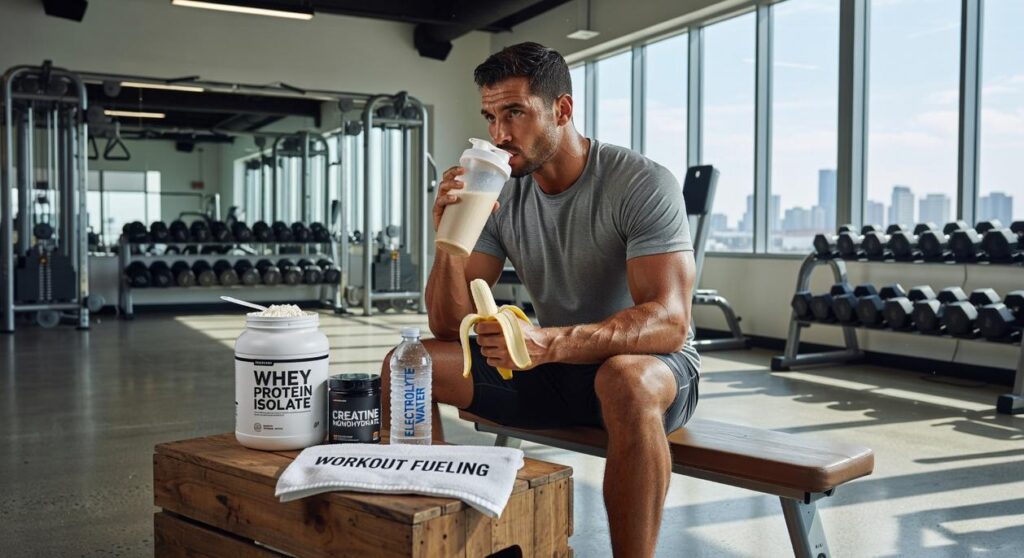
So, let’s simplify nutrition timing for athletes. Before training, prioritize easily digestible carbs and moderate protein 60–90 minutes out to stabilize energy. During longer sessions, small carb doses help delay fatigue—think of it as topping off the tank, not refueling from empty. Afterward, combine protein and carbs within an hour to accelerate muscle repair and glycogen replenishment.
Some argue total daily intake matters more. Fair—but timing turns good nutrition into peak performance.
The Pre-Workout Window: Fueling for a Powerful Start
The pre-workout window is about one thing: arriving ready. Your goal is to top off muscle glycogen (your stored carbohydrate fuel for high-intensity effort) and ensure hydration—without upsetting your stomach (because no one wants burpees and regret).
The Main Fueling (2–4 Hours Prior)
Think balanced and steady. Focus on:
- Complex carbohydrates for sustained energy (like quinoa or oats)
- Moderate lean protein to prime muscle repair
- Low fat and low fiber to avoid sluggish digestion
Examples? Grilled chicken with quinoa and roasted vegetables. Oatmeal with berries and a scoop of protein powder. This approach reflects smart nutrition timing for athletes who want stable energy instead of mid-session crashes.
Some argue fasted training builds grit and metabolic flexibility. That can be true in specific contexts. But for power, speed, and volume performance, fueled muscles consistently outperform depleted ones (especially in repeat sprint or resistance sessions).
The Energy Top-Off (30–60 Minutes Prior)
This is your quick-burn boost. Choose simple, easily digestible carbs:
- A banana
- A small handful of dried fruit
- A sports gel
This supports immediate fuel availability when intensity spikes.
Hydration Strategy
Start hydrated, not playing catch-up:
- 16–20 oz water 2–3 hours before
- 8–10 oz about 20 minutes before activity
Prediction (Speculation): As wearable tech advances, athletes may soon receive real-time glycogen and hydration feedback, turning guesswork into precision fueling. The future likely belongs to those who treat preparation as performance.
Intra-Workout Fueling: Sustaining Your Momentum Moments

When Is It Necessary?
Intra-workout fueling becomes essential during endurance or high-intensity sessions lasting 75–90 minutes or longer. Short lifts or quick conditioning workouts usually rely on stored energy. But long runs, cycling sessions, tournaments, or extended practices? That’s where performance can quietly fade (you feel fine… until you don’t).
The Performance Goal
The objective is simple: spare muscle glycogen (stored carbohydrate in muscle), maintain blood glucose, and prevent mental and physical drop-offs. When blood sugar dips, power output, coordination, and decision-making decline (yes, even your jump shot suffers). Smart nutrition timing for athletes helps you create and sustain true “Momentum Moments” instead of fighting fatigue.
What to Consume
Aim for 30–60 grams of easily digestible carbohydrates per hour.
| Option | Why It Works |
|---|---|
| Sports drinks | Fluids + carbs in one convenient source |
| Energy gels | Fast absorption, portable |
| Chews | Easy portion control, steady intake |
Hydration and Electrolytes
Sip fluids consistently rather than chugging. Replace electrolytes—especially sodium and potassium—lost through sweat, particularly in hot conditions. Even a 2% drop in body weight from dehydration can impair performance (American College of Sports Medicine).
Fuel early. Sip often. Stay ahead of fatigue.
The Post-Workout Window: Maximizing Recovery and Growth
For years, athletes were told they had a tiny 30–60 minute “anabolic window” to refuel or risk losing their gains. That’s only half true. Yes, that first hour jump-starts recovery—but muscle repair and glycogen restoration unfold across the full 24-hour period. Think of it as express checkout vs. standard shipping: both work, but one gets the process moving faster.
So what actually matters? The Kalima Elite Training Protocol emphasizes a 3:1 or 4:1 carbohydrate-to-protein ratio immediately after training. Carbohydrates replenish glycogen (stored fuel your muscles burn during intense effort), while protein stimulates muscle protein synthesis—the biological process that repairs and builds muscle tissue (Phillips et al., 2016, British Journal of Sports Medicine). In other words: carbs refill the tank; protein rebuilds the engine.
Within 60 minutes, speed and digestibility win. Option A: chocolate milk. Option B: nothing until dinner. The difference? Faster glycogen replacement and earlier recovery signaling versus sluggish replenishment (I’ve seen too many athletes choose Option B and wonder why tomorrow’s workout feels flat). Other efficient choices include a fruit smoothie with protein powder or Greek yogurt with honey.
However, immediate fuel isn’t enough. Two to three hours later, a complete whole-food meal continues the repair cycle. Compare a balanced plate—salmon, sweet potatoes, broccoli—to a protein bar and chips. The former delivers sustained amino acids, complex carbs, and micronutrients that support adaptation (Tipton, 2010). Lean steak with brown rice and mixed vegetables works just as well.
Ultimately, smart nutrition timing for athletes isn’t about panic—it’s about precision.
Game Day Nutrition Timeline
Winning starts before kickoff. The day before, prioritize carbohydrate-rich meals and hydration so muscle glycogen stores reach capacity. Aim for familiar foods like rice, potatoes, fruit, and lean protein. On game morning, follow your practiced nutrition timing for athletes plan: eat three to four hours before competition, then add a light snack 60 minutes out. It’s boring, and that’s the point. Consistency beats creativity. Never experiment with new supplements, energy drinks, or mystery locker-room snacks (yes, even if a teammate swears by them). Stick to what your body knows and trusts. That reliability is the edge.
“Think of your training plan as a race car,” a coach told me. “If you fuel it at the wrong laps, you stall.” That’s the heart of nutrition timing for athletes. First, you’ve learned the blueprint; now, apply it. Ignoring timing is like owning a high-performance engine with a random fuel schedule—you’re leaving strength and recovery behind.
So what works? Synchronizing meals with effort. Eat before intense sessions, refuel immediately after, and layer steady nutrients through the day. As one athlete said, “Once I nailed my post-workout shake, everything changed.” Start there, then stack smarter habits week by week consistently.
Take Control of Your Next Performance Breakthrough
You came here looking for an edge—something practical you can apply to elevate your performance, sharpen your fundamentals, and prepare with purpose. Now you understand how Momentum Moments, disciplined training strategies, and precise nutrition timing for athletes work together to create measurable gains.
The difference between average and elite isn’t talent alone. It’s preparation under pressure, fueling with intention, and executing a proven system when it matters most. If you’ve ever felt stuck at a plateau, underprepared on game day, or unsure whether your training is truly optimized, that frustration ends when you commit to a structured performance plan.
Here’s your next move: Apply these strategies consistently, refine your recovery and fueling windows, and follow a performance framework built for competitive results. Athletes who implement these methods see faster improvements, stronger finishes, and more confident game-day execution.
If you’re ready to train smarter, maximize every rep, and turn preparation into dominance, start implementing these protocols today. Your next level isn’t accidental—it’s built.