

Ever feel like an unstoppable force one week, only to crash the next? You’re not alone. Athletes everywhere face this maddening cycle of motivation.
But here’s the deal: you don’t have to settle for this rollercoaster. You can build something stronger. I’ve spent years helping athletes transform from fragile to resilient.
With the right approach, you can tap into sustained momentum sports mindsets. This guide isn’t about quick fixes. It’s about creating a deep well of drive that doesn’t disappear after a tough day.
Because who wants to start over every time they hit a bump? Not you. This is for those tired of temporary highs and lows.
By the end, you’ll have the tools to cultivate mental performance habits that last a career. Ready to change the game?
Motivation Isn’t Magic: Train It Like a Skill
Let’s shatter a myth: motivation isn’t just a feeling that comes and goes. It’s more like a muscle. You can train it.
You know what really zaps motivation? Relying on external validation or setting unrealistic goals. These so-called “motivation killers” love to creep in, don’t they?
Tying your motivation to winning or getting a pat on the back makes it fragile. It’s dangerous. Why?
Because it’s out of your control. You miss a win, and suddenly your drive disappears. And let’s not forget burnout.
The “more is more” mindset is a trap. It leaves you empty (like) a candy binge with no real nutrition.
So what’s the fix? Shift your focus from those fleeting feelings to a durable, process-oriented system. This is where sustained momentum sports mindsets come in.
You need a system that doesn’t crumble when you hit a snag. It’s about creating mini-goals, celebrating small wins, and keeping your eyes on the process.
Need more tips? Check out this Momentum Breakers Avoid These Common Pitfalls. Trust me, it’s a game-changer.
Start training motivation like a skill today. Get your head in the game.
Finding Your ‘Why’: Foundation of Motivation
Ever wonder why some athletes keep pushing no matter the odds? They aren’t just chasing trophies. It’s deeper.
It’s their “Why.” The most resilient athletes are driven by a purpose that outlasts the shine of a medal. It’s the unshakeable force behind their sustained momentum sports mindsets.
Want to uncover your own “Why”? Grab a pen. Ask yourself: What do you love about your sport?
Is it the discipline, the creativity, or maybe the teamwork? (Yes, these things matter.) Imagine you couldn’t fail (what) would you want to achieve? Write it down, let it marinate. A journaling exercise like this helps you dig beyond the surface.
Here’s a solid contrast. One athlete says, “I want to prove I can overcome hard things.” Another says, “I want to win a championship.” Guess which one’s gonna push through setbacks more reliably? The first one.
Their goal is rooted in internal strength, not external validation. Championships might fade, but the drive to overcome? That’s forever.
Write your “Why” down. Don’t keep it locked in your head where it can get lost. Put it where you’ll see it daily.
On your mirror, maybe? It’s your mental anchor, keeping you steady when things get rocky.
Whatever your sport, knowing your “Why” isn’t just beneficial. It’s important. It’s what keeps you going when the grind gets tough.
So, are you ready to find yours?
Harnessing Momentum: Small Wins, Big Drive
Ever heard of “momentum moments”? They’re small, controllable actions that build confidence. Forget the endgame for a sec.
Focus on the daily grind. the magic happens. It’s like a basketball player nailing those “10 perfect form free throws” or a runner hitting the right pace in the first mile. Think of a weightlifter who focuses on flawless technique for every rep.
These aren’t just tasks. They’re the building blocks of success.
to the science. Small wins release dopamine, which reinforces the behavior. It’s a loop.
Success breeds motivation, and motivation breeds success. It’s not just about one big win. It’s about stacking those small victories.
That’s how you get sustained momentum. Sports mindsets thrive on this.
Want a pro tip? End every training session by jotting down one thing you did well. This trains your brain to spot positives and builds a log of successes.
This is key in developing habits that stick. For more about building momentum, check out Daily Routines To Build Athletic Momentum. You’ll find it ties right into creating a consistent drive.
Momentum isn’t just a concept. It’s a lifestyle.
Unbreakable Focus: Mental Training Protocols
When it comes to elite athletes, mental training is as key as physical conditioning. You wouldn’t skip leg day, right? Then don’t neglect your mind.
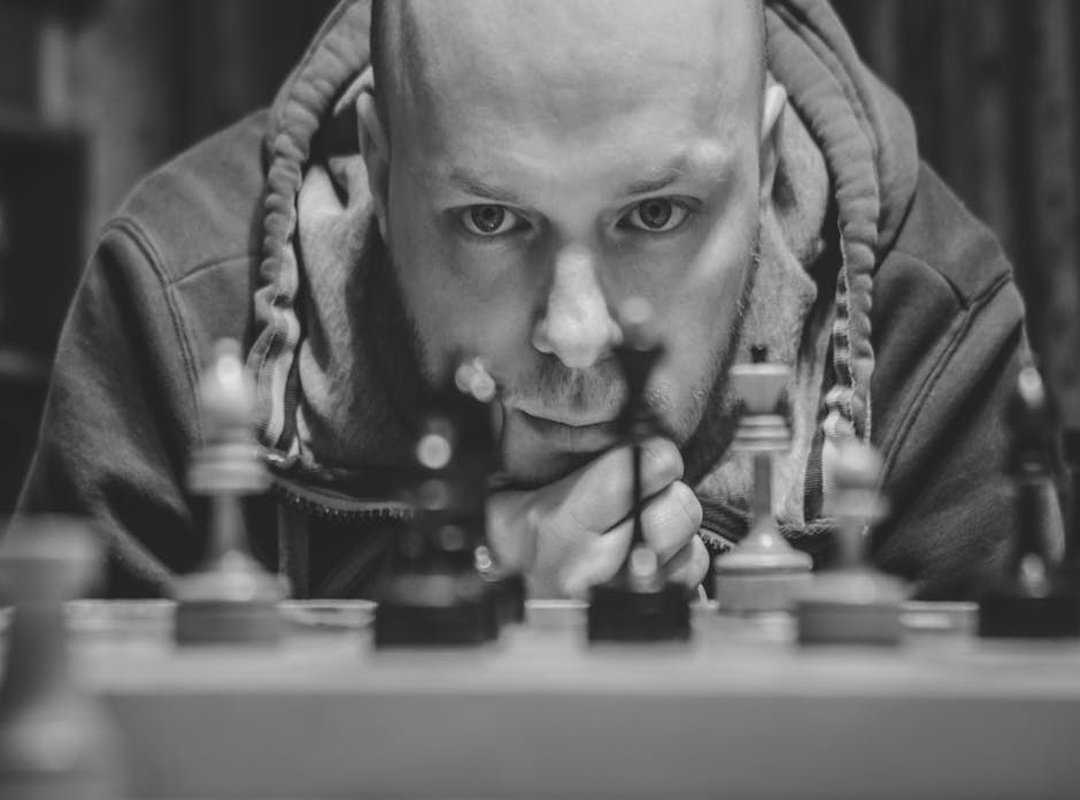
Sustained momentum sports mindsets aren’t just buzzwords. They’re the backbone of consistency and success.
to some practical protocols. First up, Performance Visualization. You might think it’s just about seeing the win.
Nope. It’s about immersing yourself in the entire experience. Feel the pre-game jitters, the grip of your gear, and hear the crowd.
This is all about embracing every sensory detail.
Then there’s Strategic Self-Talk. Forget the generic pep talk. You’ve got to be specific.
Imagine a sprinter whispering, “shoulders back, explode,” just before the gun. It’s about creating tailored cues that guide you in high-pressure moments. Think of it as your personal playbook for staying sharp.
Finally, the Focus Reset Routine. Made a mistake? It happens.
Acknowledge it, take a deep breath, say “Next play,” and reset your posture. It’s simple, takes five seconds, and stops those mistakes from spiraling out of control. Because let’s face it, dwelling is for amateurs.
Want to know more about keeping your head in the game? Performance momentum for elite sport is a great resource. Mental training isn’t optional. It’s your edge, your secret weapon.
Start treating it that way.
Motivation Dips: Mastering the Art of Rebound
Slumps happen. Every athlete faces them. I’ve been there, sitting on the sidelines wondering why I can’t shake that feeling of being stuck.
It’s not just about losing momentum; it’s about losing sight of why you started in the first place. So, what’s the game plan?
First, simplify. Stop overcomplicating things. Focus on one or two fundamentals.
Remember when you first learned footwork? Spend a week perfecting it. Feel the rhythm.
It’s like hitting refresh on your skills. Next, reconnect with the joy of your sport. Why did you fall in love with it?
Just pure fun.
Dedicate 15 minutes to unstructured play. No pressure. No expectations.
Finally, review your ‘why’. Go back to your purpose statement. Why are you in this?
What do those words mean to you now, in this moment? It’s a solid reminder beyond the struggle.
This plan taps into the essence of sustained momentum sports mindsets. It’s a proactive approach that keeps you grounded. Essentials, joy, and purpose.
That’s the trifecta for breaking through any slump.
Fuel Your Motivation Today
Motivation isn’t a mystery; you build it. You’ve got the tools now. A solid ‘Why’, momentum systems, and mental protocols.
It’s all about control. No more depending on shaky outcomes. This system works because it lets you steer your own ship.
Want proof? Try one plan from this guide. Maybe define your ‘Why’ or nail a 5-second focus reset.
Commit for seven days. You’ve tackled the frustration of inconsistency. Now it’s time for sustained momentum sports mindsets.
Ready to take charge? Dive in, test it out, and watch your motivation skyrocket. Go on, make that first move today.
 Tyvian Zephorin has opinions about athletic performance strategies. Informed ones, backed by real experience — but opinions nonetheless, and they doesn't try to disguise them as neutral observation. They thinks a lot of what gets written about Athletic Performance Strategies, Chogpen Sports Fundamentals, Game Day Preparation Tips is either too cautious to be useful or too confident to be credible, and they's work tends to sit deliberately in the space between those two failure modes.
Reading Tyvian's pieces, you get the sense of someone who has thought about this stuff seriously and arrived at actual conclusions — not just collected a range of perspectives and declined to pick one. That can be uncomfortable when they lands on something you disagree with. It's also why the writing is worth engaging with. Tyvian isn't interested in telling people what they want to hear. They is interested in telling them what they actually thinks, with enough reasoning behind it that you can push back if you want to. That kind of intellectual honesty is rarer than it should be.
What Tyvian is best at is the moment when a familiar topic reveals something unexpected — when the conventional wisdom turns out to be slightly off, or when a small shift in framing changes everything. They finds those moments consistently, which is why they's work tends to generate real discussion rather than just passive agreement.
Tyvian Zephorin has opinions about athletic performance strategies. Informed ones, backed by real experience — but opinions nonetheless, and they doesn't try to disguise them as neutral observation. They thinks a lot of what gets written about Athletic Performance Strategies, Chogpen Sports Fundamentals, Game Day Preparation Tips is either too cautious to be useful or too confident to be credible, and they's work tends to sit deliberately in the space between those two failure modes.
Reading Tyvian's pieces, you get the sense of someone who has thought about this stuff seriously and arrived at actual conclusions — not just collected a range of perspectives and declined to pick one. That can be uncomfortable when they lands on something you disagree with. It's also why the writing is worth engaging with. Tyvian isn't interested in telling people what they want to hear. They is interested in telling them what they actually thinks, with enough reasoning behind it that you can push back if you want to. That kind of intellectual honesty is rarer than it should be.
What Tyvian is best at is the moment when a familiar topic reveals something unexpected — when the conventional wisdom turns out to be slightly off, or when a small shift in framing changes everything. They finds those moments consistently, which is why they's work tends to generate real discussion rather than just passive agreement.