

If you’re searching for a real edge in your training, you’re likely looking beyond generic advice and into the habits and systems that actually separate elite performers from everyone else. This article breaks down the structure, discipline, and performance frameworks behind pro athlete daily habits, showing you how small, consistent actions compound into game‑day dominance.
Many athletes work hard. Far fewer follow a deliberate, science-informed system that connects momentum moments, foundational sports principles, and high-performance preparation into one cohesive strategy. That’s where this guide comes in.
Drawing from proven athletic performance models, elite training protocols, and practical game day preparation strategies used at the highest levels of competition, we’ll translate complex performance concepts into actionable steps you can apply immediately.
Whether you’re refining fundamentals or optimizing advanced training cycles, you’ll gain clarity on what truly drives consistent improvement—and how to build habits that perform under pressure.
Move past the myth of raw talent. The highlight reel lies. What looks like magic is mostly monotony. Many fans obsess over genetics or motivation, but that’s lazy thinking (and a convenient excuse). The truth is discipline compounds. Elite competitors build structured mornings, measured meals, deliberate recovery, and relentless film study. These pro athlete daily habits aren’t glamorous; they’re repeatable. Critics argue spontaneity fuels greatness. I disagree. Systems create freedom on game day. Track sleep, hydrate with purpose, rehearse pressure scenarios, and protect focus like it’s playoff time. Consistency beats intensity (yes, even Kobe practiced basics). Master the boring.
Winning the First Hour: How Athletes Build Morning Momentum
The first hour after you wake up is either fuel or friction. Most people reach for coffee and their phone. Elite performers choose differently—and it’s not by accident.
Immediate Hydration Protocol
Overnight, your body loses fluids through breathing and sweat. That mild dehydration can impair cognitive performance and reaction time (Journal of Nutrition, 2012). That’s why athletes drink 16–24 ounces of water with electrolytes immediately upon waking. This restores fluid balance, supports muscle function, and helps “kickstart metabolism,” meaning it nudges your body back into active energy production.
Some argue plain coffee does the job faster. While caffeine boosts alertness, it doesn’t replace lost electrolytes. Hydration first, stimulation second.
Next comes dynamic mobility—not static stretching. Static stretching means holding a muscle in one position. Dynamic mobility involves controlled movement like leg swings, cat-cow, and hip circles. These increase blood flow and activate the central nervous system, improving power output (British Journal of Sports Medicine, 2012).
Then, a 5–10 minute mental priming session: visualization, breathwork, or intention-setting. Think of it as rehearsal before the spotlight.
Finally, the No-Phone Rule. Protect 30–60 minutes from digital noise. Pro athlete daily habits prioritize proactive focus over reactive scrolling (yes, your inbox can wait).
Start small. Hydrate, move, focus—then engage the world.
Fueling the Engine: An Elite Nutrition and Hydration Strategy
If training is the spark, nutrition is the fuel. And just like a high-performance engine, timing matters. Nutrient timing simply means eating with intention. Carbohydrates (your body’s preferred quick energy source) power intense sessions before you lace up. Afterward, pairing protein with carbs jumpstarts recovery by restoring glycogen (stored energy) and repairing muscle tissue. Think of it like hitting “reset” after a long day—except your body doesn’t have a snooze button.
Next comes the Protein Pacing Principle. Instead of cramming 120 grams of protein into one heroic dinner, aim for 25–40 grams every 3–4 hours. Research shows muscle protein synthesis—the process of building and repairing muscle—peaks in these steady waves rather than one tidal surge (Jäger et al., 2017, Journal of the International Society of Sports Nutrition). In other words, slow and steady wins the race, not the all-you-can-eat steak night.
Meanwhile, hydration deserves strategy, not guesswork. A practical baseline is half your body weight in ounces daily, adjusted for sweat loss. Add electrolytes—minerals like sodium and potassium that regulate fluid balance—to maintain performance. Even mild dehydration can impair strength and focus (Casa et al., 2000). No one wants a fourth-quarter fade that feels like a scene from Space Jam when the Monstars steal the talent.
Finally, embrace a Whole Foods First philosophy. Let 80% of intake come from unprocessed, nutrient-dense foods; use supplements to fill precise gaps. This mirrors pro athlete daily habits: disciplined, consistent, and purpose-driven. Pro tip: build meals around protein first, then layer carbs, color, and healthy fats for balance.
The Performance Cycle: Integrating Elite Training and Active Recovery
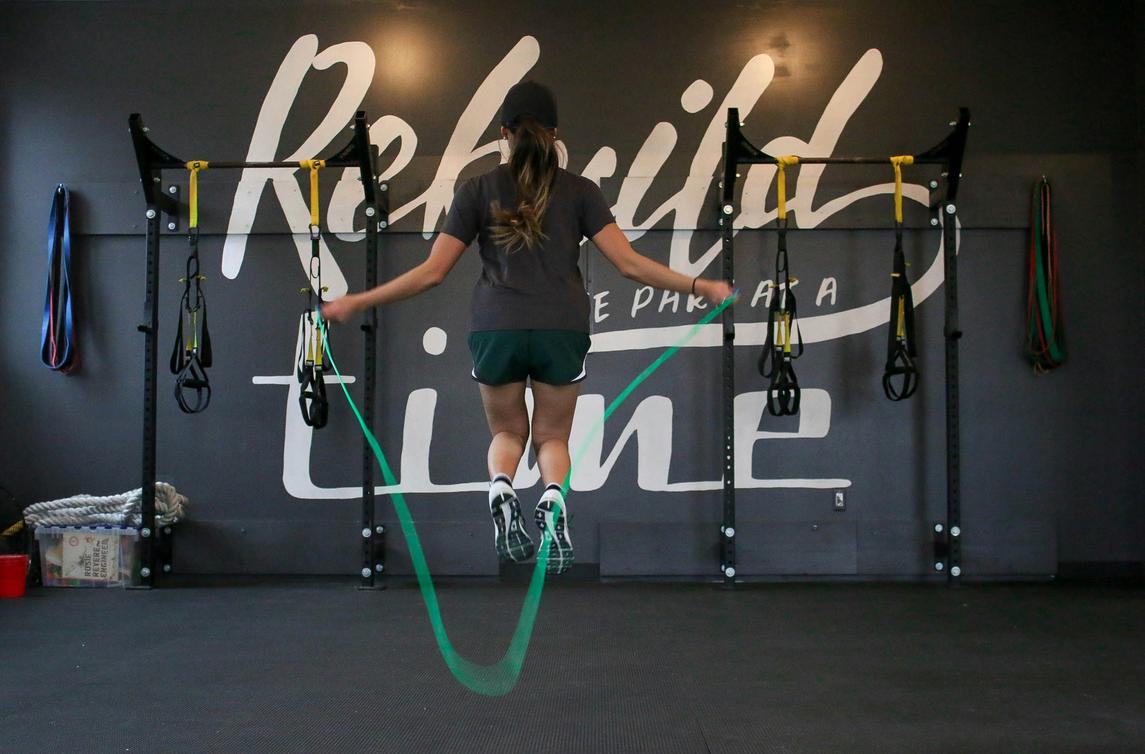
There’s a big difference between just “working out” and training with intent. Random sweat sessions feel productive (you’re tired, after all), but without structure, progress stalls. Purpose-driven training blocks—often called periodization (planned phases that target specific adaptations like strength, power, or endurance)—solve that problem. Instead of guessing, you move through clearly defined phases with measurable goals. If you’ve ever felt stuck despite training hard, this is likely why.
Recovery is where most athletes get frustrated. It’s treated like a bonus instead of a requirement. Elite performers schedule foam rolling, contrast baths, compression therapy, and mobility work just like lifts or sprints. It’s not optional; it’s programmed. In fact, pro athlete daily habits revolve around disciplined recovery as much as effort. Skipping it is like charging your phone to 20% and hoping it lasts all day.
Sleep? Non-negotiable. The gold standard is 8–10 hours of quality sleep. That means cool, dark rooms, consistent sleep-wake times, and blue-light limits before bed. Sleep hygiene (habits that protect sleep quality) isn’t glamorous, but it’s foundational. If you’re doom-scrolling at midnight, you’re sabotaging tomorrow’s output.
Then there’s the deload day—low-intensity work like walking or swimming that boosts circulation without adding stress. Some athletes resist this (“I’ll lose momentum”). Actually, strategic deloads enhance tissue repair and long-term gains (NSCA research supports reduced injury risk with periodized recovery).
For a deeper look at structured programming, see inside a pro training week structure and strategy explained.
Sharpening the mental edge requires structure, not hype. First, schedule daily “mind gym” sessions—ten minutes of visualization, positive self-talk, and controlled breathing. Over time, this builds resilience Next, create routine-driven focus. A consistent warm-up playlist or cue phrase signals your brain it’s go-time, blocking distractions.
Use pro athlete daily habits in the section once exactly as it is given
Then, commit to film study and strategic analysis. Review clips weekly to spot patterns and refine decisions.
| Habit | Purpose | Frequency |
| Visualization | Confidence | Daily |
| Film Review | Strategy | Weekly |
for athletes.
Building an elite routine starts with four pillars: a structured morning, purposeful nutrition, integrated recovery, and mental training. Together, they create stability, energy, and focus you can rely on under pressure. The real advantage? Momentum. When you repeat pro athlete daily habits, small wins compound into measurable performance gains.
Consistency beats complexity. It’s not magic—it’s repetition. Do the basics daily and your body adapts, your mind sharpens, and confidence grows.
Choose one habit:
- Immediate morning hydration
- A 10-minute mobility flow
Practice it for two weeks. Master the simple, and results follow. You’ll feel stronger, clearer, and more disciplined daily consistently.
You came here to understand what separates consistent competitors from true game-day difference makers. Now you’ve seen how Momentum Moments, Chogpen Sports Fundamentals, Athletic Performance Strategies, and Kalima Elite Training Protocols work together to elevate preparation and execution.
The truth is, most athletes struggle with inconsistency. They train hard—but not always with structure. They prepare—but not always with intention. That gap shows up under pressure.
When you commit to pro athlete daily habits, structured performance systems, and intentional Game Day Preparation Tips, you eliminate guesswork and start building repeatable excellence. Small, disciplined actions compound into competitive dominance.
Turn Preparation Into Performance
If you’re serious about closing the gap between where you are and where you know you can be, now is the time to act. Don’t let inconsistent routines hold you back from peak performance.
Join athletes who trust our proven performance frameworks and elite-level training insights to sharpen their edge. We’re recognized as a top-rated resource for structured athletic development because our strategies are built for real results.
Start implementing these systems today. Refine your routine. Elevate your preparation. And step into your next competition fully prepared to perform at your highest level.